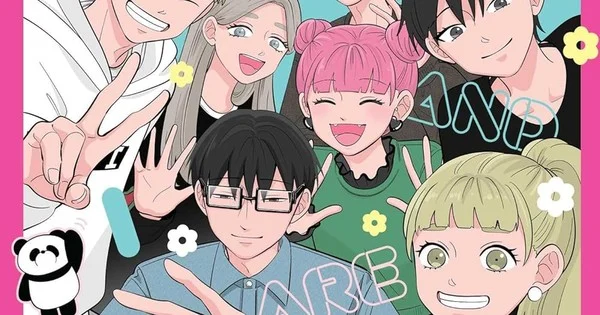


TL;DR, Volume 8 serves as the manga finale and ties up the cast as they face their final year of high school, resolving romantic threads and the series theme of appearance versus feeling. The English release is translated by Dan Luffey and lettered by Arbash Mughal.
You and I Are Polar Opposites ends with volume 8, a senior-year sendoff that resolves the core romances while the cast chooses their futures. This You and I Are Polar Opposites volume 8 review looks at how the finale closes the story, what relationships change, and why the choices land.
For readers seeking You and I Are Polar Opposites Viz details, the English release credits translator Dan Luffey and letterer Arbash Mughal. The volume focuses on honesty over spectacle, giving fans closure without betraying the series’ grounded tone.
What Happens in You and I Are Polar Opposites Volume 8
Graduation on the horizon forces everyone to pick a path, and those choices test their bonds. You and I Are Polar Opposites volume 8 is the final volume and the manga ending, centering on how college plans and distance could reshape dating and friendship.
Without heavy spoilers, the main couple confronts their future in a frank talk that flips their usual dynamic. One partner clings tighter, the other weighs ambitions, and both try to match love with reality. Nishi faces her last big step, deciding how far to advance things with Yamada while owning her goals.
Taira begins to accept what Azuma feels, and the two chart careful next steps. Their progress is measured, not magical, which fits the series’ plainspoken voice. As a light plot summary, volume 8 closes arcs with earned conversations, leaves one pairing more open, and signals the start of adulthood.
- Final-year decisions drive every chapter’s stakes.
- The main couple’s roles invert during a future-focused talk.
- Nishi chooses for herself, then for the relationship.
- Taira and Azuma move forward, but not with a tidy label.
How Volume 8 Handles Tani, Nishi, Taira and Azuma
The Suzuki and Tani relationship shifts as attachment and ambition collide. Tani voices need with new clarity, while Suzuki, usually reactive, becomes deliberate and introspective. In the manga final chapter, their answer favors mutual respect and a plan shaped by timing, not impulse, which reads as growth rather than a fantasy fix.
Nishi’s arc pays off by putting agency first. Years of easing out of her shell culminate in independent choices about university and where she and Yamada stand. The volume frames her decision as earned confidence, not a sudden makeover, so the moment lands quietly and honestly.
The Taira and Azuma relationship remains the series’ most delicate thread. He overthinks, she minimizes herself, and volume 8 shows them practicing boundaries and kindness before declaring anything. com/best-anime-characters-of-all-time/”>best anime characters in recent romcoms for believable growth.
These You and I Are Polar Opposites characters leave the page with hope, not a bow.
- Suzuki listens, then decides; Tani asks clearly for what matters.
- Nishi leads her future, with Yamada supporting.
- Taira and Azuma choose process over labels, which suits them.
Why Volume 8 Brings the Series Full Circle
The You and I Are Polar Opposites ending returns to where it began: appearances, overthinking, and what people assume about each other. Early misunderstandings came from surface reads; the finale prizes direct talk. That focus lets the series themes resolve through conversations that acknowledge fear, then act anyway.
Preparing for university triggers old habits, yet the cast handles them differently now. They name anxieties, set boundaries, and compromise without self-erasure. Kocha Agasawa writes teenage insecurities with a steady hand, preferring small, believable milestones over dramatic twists, which keeps choices relatable.
Some outcomes are decided, one stays open by design. That openness does not dodge commitment, it respects pace and healing. For readers coming to this You and I Are Polar Opposites volume 8 review for closure, the book delivers emotional accountability, thematic symmetry, and the sense that life after high school has truly begun.
- Appearance versus feeling is answered by honesty, not optics.
- Growth is shown as practice, not instant change.
- Final scenes echo the first misread, now corrected face to face.
Related: best anime characters.
Source: ANN