

TL;DR, Episode 10 is a brutal warehouse showdown where a Devil reveals Devils are evolved Demons. Keisuke’s gizzard power and Piyoko’s blue eyes become the episode’s biggest hooks.
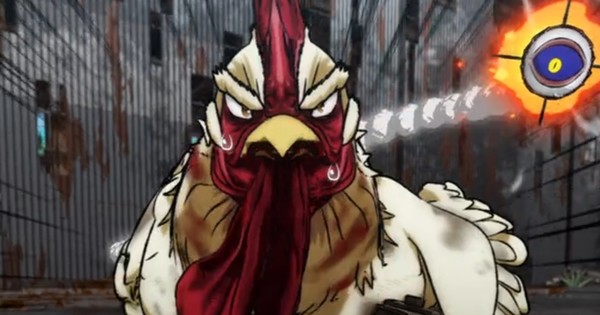
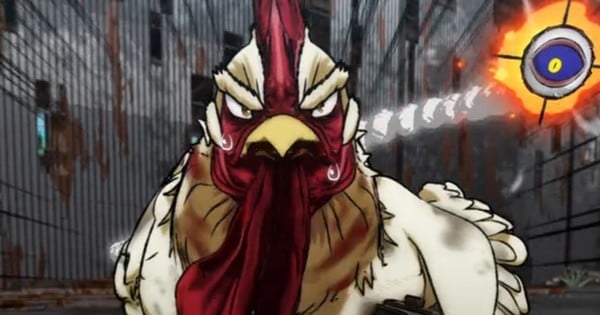
A cold warehouse, steel beams, and a Devil with eyeball shells. Episode 10 pits Keiji’s flock against a single, evolving monster and answers what separates Devils from Demons. It is the clearest Rooster Fighter episode 10 review angle yet, because the fight changes the rulebook.
The Devil says the quiet part out loud. Devils are evolved Demons, and the unlucky become slaves via mind-control tumors. That reveal lands hard.
It reframes Piyoko’s ominous cutaway and makes Keisuke’s new gizzard power feel urgent.
Anime craft keeps pace with the gore. Homing shots with veined eyeballs, plastic-explosive reloads, and chicken trivia drop between blows.
The Rooster Fighter episode 10 review conversation now centers on survival playbooks, not one-hit finishers.
What Happens in Rooster Fighter Episode 10
The clock starts inside a cavernous warehouse, and the Devil is already chewing through the playbook. It reloads by swallowing plastic explosives, then swaps to target-honing shells with bulging eyes. The flock presses, but the arena favors the monster’s range and regeneration.
Midfight, the Devil reveal lands: Devils are evolved Demons, the chosen few, while the rest are bent into service by mind-control tumors. That turns a grudge match into a systems check, a blunt upgrade to the series’ enemy ladder and a sharp cap on brute-force wins.
- Keiji tests distance pressure, but ricochets and tracking shots erase angles in the warehouse fight.
- Keisuke flashes heritage technique, yet the timing window closes as the Devil adapts between volleys.
- The eyeball munitions study trajectories, so cover becomes bait rather than safety.
- A brief pause shows Piyoko elsewhere, a hard cut that seeds dread for later scenes.
- The Devil’s speech clarifies hierarchy, Demons below, slaves tagged by tumors, few ascend.
- OHKO finishers fizzle, forcing footwork, bait, and layered counters instead of set-piece nukes.
- After sustained attrition, the birds survive, but they stagger. The camera hints at a next challenger.
- On craft, the set sells weight: rails, light shafts, and echo sell range control and panic.
Violence arrives with precise disgust. Veined eyeball missiles and flesh that swells then splits keep the threat tactile. If you enjoy staged problem-solving, our Witch Hat Atelier recap pairs well as a strategy palate cleanser.
What Piyoko’s blue eyes mean in Rooster Fighter
The episode splices a quick, charged insert of Piyoko with unnerving blue eyes. The show previously mentioned a single set of blue eyes, but not tied to her. That callback, placed beside the Devil’s tumor lecture, pushes a new fear into frame without stating it.
Here is what we can confirm: the shot is brief, the iris color is striking, and the story positions it as a mystery rather than a payoff. The tumor thread is factual in Episode 10, mind-control growths convert Demons into slaves. Piyoko’s status remains unconfirmed.
- The color shift reads as a marker, identity hint, or infection sign, the text does not say which.
- Editing choice, a hard cut during combat, assigns narrative weight beyond simple foreshadowing.
- If tumors enable control, blue eyes could flag exposure or resistance, both are on the table.
- Piyoko’s detractors may pause, the scene invites empathy by framing risk over comedy.
- Expect the plot to test consent and autonomy, the tumor system is built for that pressure.
- Until the show states a cause, treat the blue as a clue, not proof.
- Body horror cadence matches current genre runs, see our Daemons episode recap for parallel escalation beats.
- Placement before the denouement primes the next arc, information first, feelings second.
In short, Rooster Fighter Piyoko scenes trade jump scares for controlled dread. The Piyoko blue eyes moment aligns with tumors theming, but the series withholds the label. The mystery works because the rules of Devils and Demons just changed on screen.
How Keisuke’s gizzard power and the Devil fight shape Rooster Fighter
Keisuke’s heritage reveal is pure poultry science. His gizzard power is a compressed energy core, stored in the gizzard and released in bursts. It is potent, but Episode 10 proves it needs setup, spacing, and time, all scarce inside a warehouse pinned by tracking shells.
That limit reframes tactics. The flock rotates aggro, baits reloads, and uses beams and slabs as breadcrumb cover. The Devil fight punishes telegraphed finishers and rewards chickencraft, flexible decisions, and micro-feints.
Devils being evolved Demons cements a new ceiling for enemy adaptation.
- Rooster Fighter Keisuke cannot rely on a straight-line discharge, he must layer feints and counters.
- Keiji’s OHKO loses bite against evolving armor, forcing team sequencing instead of solos.
- Gizzard power shines as a finisher after stagger, not as an opener into active tracking ammo.
- Chickencraft matters, reading angles, counting beats, and turning reloads into windows.
- The Devil’s self-upgrade hints that future bosses will retool midmatch, scouting becomes plot.
- Piyoko’s blue eyes now function as a wildcard, threat, ally, or key, still unknown.
- The episode closes with a next-foe tease, stamina and planning will decide the rematch map.
- Broadcast note, the series airs on Toonami and streams on Disney+ and Hulu.
This arc signals a shift from one-punch theatrics to problem-solving under fire. Expect more resource play, terrain reads, and team mechanics. For a craft-first palate cleanser between battles, our second Witch Hat Atelier recap tracks layered strategy elegantly, and it complements a Rooster Fighter episode 10 review mindset.
Related: Witch Hat Atelier recap.
Source: ANN