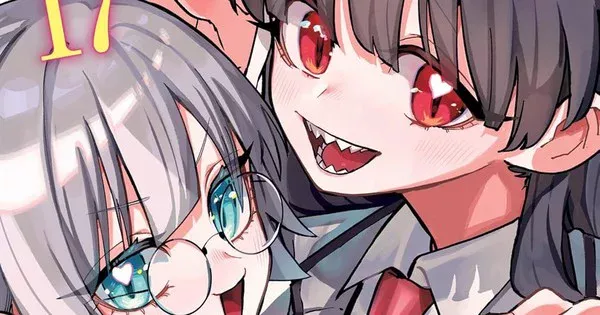



TL;DR, This review covers volumes 2 through 17 of The 100 Girlfriends Who Really, Really, Really, Really, Really Love You, outlining the premise, the new characters introduced, and the English translation by Chris Burgener with lettering by M. Fulcrum.
We reviewed volumes 2 through 17 of The 100 Girlfriends Who Really, Really, Really, Really, Really Love You. These chapters expand Rentaro Aijo’s polycule to 25 girlfriends across 149 chapters, and the gag density never dips. This The 100 Girlfriends manga review focuses on what those books cover and how the comedy keeps landing.
You will find a clear road map of story beats, the standout additions to the cast, and how the series treats Rentaro and his many relationships. We also flag practical details about the English release, including credits for translator Chris Burgener and letterer M. Fulcrum.
If you are here for a status check, the premise still runs strong. The creative team of writer Rikito Nakamura and artist Yukiko Nozawa stays locked on character-first humor with elastic, reference-heavy skits.
What Volumes 2-17 of The 100 Girlfriends Cover
After the shrine’s clerical error promises Rentaro Aijo one hundred soulmates, these volumes move from setup to a steady rhythm of introductions, dates, and group chaos. By volume 17 the roster reaches 25 girlfriends, and the story favors episodic arcs over a linear quest. This 100 Girlfriends volumes 2-17 review treats the run as a character-forward sketch engine.
Each “new characters” arc lands with a sharp hook, then folds the newcomer into the daily swirl. You meet scientists, maids, introverts, athletes, and oddballs who speak in numbers or get hangry. Kusuri Yakuzen arrives early with transformation drugs that springboard into zombie riffs, giant-robot nods, and other pop-culture set pieces.
, Marvel, Golden Kamuy, Yamcha’s death pose, Apple UI gags, and The Matrix. A memorable early-group bit has the first six girlfriends talking themselves into a bath-time peek, funny because the momentum feels organic. The “plot summary” is simple: meet, date, accept, then play.
Depth comes from how the ensemble recalibrates around each addition.
- Volumes weave meet-cutes with immediate buy-in, since splitting a soulmate would harm everyone, including Rentaro.
- Kusuri’s inventions are a recurring engine for body-swap jokes, horror spoofs, and rule-breaking experiments that reset the sandbox.
- Family wrinkles matter, such as Hahari Hanazono energizing arcs that mix maternal energy with romcom timing.
- The Meido sisters add workplace bits and service-comedy games, then grow beyond one-note maid humor.
- Individual quirks start loud, like a girlfriend who wants to be a cat or one obsessed with metrics, then soften into habits.
- Group dates and seasonal events keep the cast rotating, so no newcomer vanishes after her debut.
- Writer Rikito Nakamura and artist Yukiko Nozawa trade big parodies for small payoffs, letting callbacks stitch volumes into a living polycule.
How The 100 Girlfriends Handles Rentaro’s Harem in Volumes 2-17
The series plays harem comedy with unusual sincerity. Rentaro commits to everyone, and the gag never becomes a dodge for cruelty or indecision. The tone stays buoyant, a loop of extravagant bits anchored by consent, reassurance, and the running vow to cherish each soulmate.
This balance works because scenes feel motivated by character, not voyeurism. The bath-peek skit lands since the girls talk themselves into it, their agency steering the joke. Fan service reads as the natural end of a silly premise, not a camera mandate, which helps the ensemble breathe.
There is real character development inside the noise. Mei Meido learns that acts of service are not the only love language, and that voicing needs is also care. Across the cast, loud quirks bend without breaking, which keeps the big laughs intact while making the relationships feel lived-in.
This is the heart of our 100 Girlfriends manga review.
- Rentaro is earnest, tireless, and attentive, so punchlines rarely come at a girlfriend’s expense, they come from shared escalation.
- Group dynamics matter more than rivalry, which flips common genre habits and keeps jealousy from grinding scenes to a halt.
- Running gags, like science shenanigans or number-obsessed banter, evolve as more girlfriends add angles to the setup.
- Absurd parodies, from horror traps to Ghibli homages, hit harder because the cast trusts the bit and trusts each other.
- The tone prizes warmth over conquest, making the polycule an enviable team instead of a scoreboard.
- Writer Rikito Nakamura and artist Yukiko Nozawa clearly like their characters, which is still rare in this lane.
Where to Read The 100 Girlfriends in English, and Translation Notes
The English translation is credited to Chris Burgener, with lettering by M. Fulcrum. Physical and digital volumes are widely available through the publisher’s channels and standard retail storefronts.
If you prefer ebooks, most major platforms carry recent releases, so checking your preferred store is the quickest path for where to read.
These volumes pack rapid-fire jokes, signboard gags, and reference-heavy punchlines. Burgener’s English translation keeps the rhythm lively while threading obvious nods and sideways homages. Fulcrum’s typesetting places SFX and asides cleanly, which helps complex pages read in one pass, even when the paneling is loud.
What to watch for: puns that hinge on numbers, mock-horror jargon, and genre riffs that lean on shared media memory. A few spicy gags push into watersports or peeping humor, handled as group bits rather than gotcha fan service. If you enjoy localization that privileges flow over footnotes, this approach should land for you.
- Translator: Chris Burgener, credited on the English volumes reviewed.
- Letterer: M. Fulcrum, handling SFX, signs, and dense margin chatter.
- Availability: print via standard booksellers, digital via major ebook stores and the publisher’s listings.
- Reading feel: quick cadence, clear bubble placement, and SFX that support the joke instead of crowding it.
- Content notes: frequent innuendo, occasional kink-adjacent jokes, and affectionate group dynamics framed with consent.
Source: ANN