
TL;DR, Korean robot cartoons are kid-focused series such as Tobot, Miniforce and Metal Cardbot. Fans commonly search Netflix, Amazon Prime and YouTube, but availability varies by region.
City buses flipping into heroes on your feed are not a fever dream. You likely stumbled onto Korean robot cartoons, specifically Tobot, Miniforce, or Metal Cardbot. They are kid-focused, transforming-hero shows from South Korea, and you can stream them on official YouTube channels.
Tobot and Miniforce also appear on Netflix, while Metal Cardbot shows up on Amazon Prime Video.
They feel familiar because they borrow the clean silhouettes, team dynamics, and disguise gimmicks that made Transformers popular. Here is a fast guide to what they are, where people look first, and why the vibe clicks immediately for long-time mecha fans and curious parents alike.
What Are Korean Robot Cartoons?
South Korea’s transforming-hero shows sit at the crossover of action, comedy, and toy engineering. Fans often group them as Korean robot cartoons, a loose label for CG series where vehicles, animals, or gadgets convert into heroes. The flagship trio people cite first are Tobot, Miniforce, and Metal Cardbot, each built for easy, kid-first viewing.
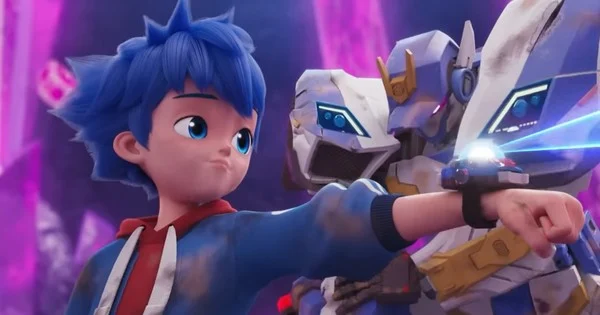
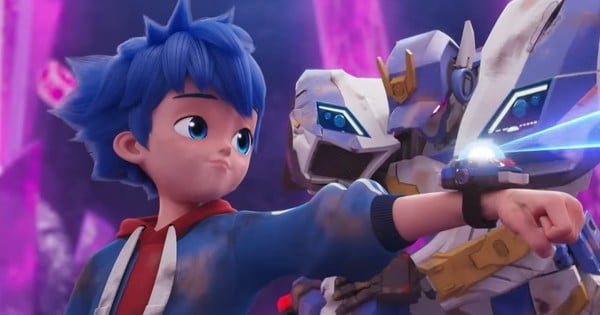
Tobot centers on siblings and friends who activate car-to-robot guardians to solve city-scale problems. Miniforce follows small animal agents who fight threats using powered suits and larger mecha. Metal Cardbot treats its cast as mechanical lifeforms from another planet who hide on Earth, partner with kids, and join the team when sealed into collectible cards.
- Full CG or CG-forward animation with toy-accurate models.
- Transformations that lock into satisfying, stable shapes.
- Human sidekicks who learn responsibility and teamwork.
- Villains that escalate quietly, without heavy peril.
- Repeated catchphrases and signature finishers.
- Emphasis on real-world vehicles and animals.
- Minimal on-screen violence, quick recoveries.
- Light humor and school-life buffers between fights.
- Short arcs that reset stakes for new viewers.
- Plenty of screen time for the latest upgrades.
- Simple terminology kids can remember and repeat.
- Clear merchandising cues that collectors recognize.
Think of them as entry-level Korean mecha anime. They prioritize readable silhouettes, bright palettes, brisk plots, and clear moral beats. Episodes often stand alone, with light continuity across seasons and new forms introduced when toys arrive, which keeps the action fresh for kids and gives parents digestible, self-contained chapters to pop on after school.
Where to Watch Tobot, Miniforce and Metal Cardbot
Start with the official YouTube channels, where all three series are available. The platforms also list Tobot and Miniforce on Netflix and Metal Cardbot on Amazon Prime Video. Catalogs differ by country, so where to watch Tobot online can change, but those three hubs are where most viewers begin and share episode links.
- YouTube: search Tobot YouTube, Miniforce official, or Metal Cardbot W.
- Verify channel branding, upload cadence, and full-season playlists.
- Netflix: check Kids profiles for Miniforce Netflix and older Tobot runs.
- Amazon Prime Video: look for Metal Cardbot Amazon Prime entries in your region.
- Turn on captions, some uploads include machine-translated subtitles.
- Try alternate audio tracks, English and Korean options vary by title.
- On mobile apps, titles can hide under regional or season-specific names.
- Revisit monthly, licenses and playlists shift without much notice.
On YouTube, favor uniform thumbnails, consistent logos, and numbered playlists labeled by season. Channels sometimes upload current arcs like Metal Cardbot W. If you want something feature-length after an episode binge, our curated best animated movies roundup pairs well with family nights and helps steer younger viewers toward safe picks.
For streaming Korean robot cartoons across borders, create separate kids and adult profiles so recommendations do not collide. Use the platform’s Title Language or Audio settings to surface localized entries. When searches strike out, official social accounts and community threads often flag new regions or alternate titles that some services quietly use.
Why Korean Robot Cartoons Feel Like Transformers
If they read like robot cartoons like Transformers, that is the point. These are children robot cartoons built around clear heroes, vehicle disguises, and explosive conversion beats, wrapped in bright colors and hopeful stakes. The visual language echoes Brave, GaoGaiGar, and classic sentai, so long-time fans feel at home while kids get accessible heroes.
- Bold color-coded teams and emblem badges.
- Realistic cars, trucks, or animals as alt modes.
- Step-by-step stock transformation sequences.
- Combination finales that form larger super robots.
- Human partners who drive mission-of-the-week plots.
- Punchy callouts, finishers, and roll calls.
- Monster-of-the-week pacing with reset consequences.
- Comedic cooldown scenes between battles.
- Toy-scale accuracy in proportions and joints.
- New gear introduced in sync with retail waves.
Metal Cardbot diverges in one key way. Instead of permanent factions, robots switch sides as they are sealed into cards and recruited, so rivalries soften and alliances shift. You still get disguise-and-protect setups, secret bases, and tidy civilian identities, all hallmarks of Korean animated robot shows shaped by long-running Korean mecha influence.
The toy tie ins are intentional and often impressive. Designers tied to God Brave Studio have worked on Metal Cardbot and Miniforce Dinoid toys, while also contributing Brave figures and Good Smile model kits, a tidy example of cross-pollination between scenes. For a change of pace between binges, browse our top animated movies list for timeless picks.
Source: ANN