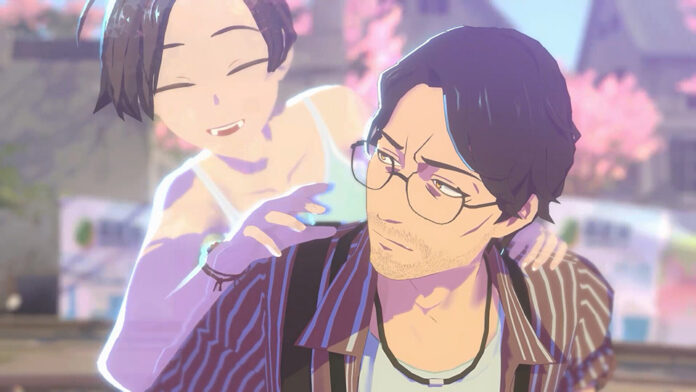


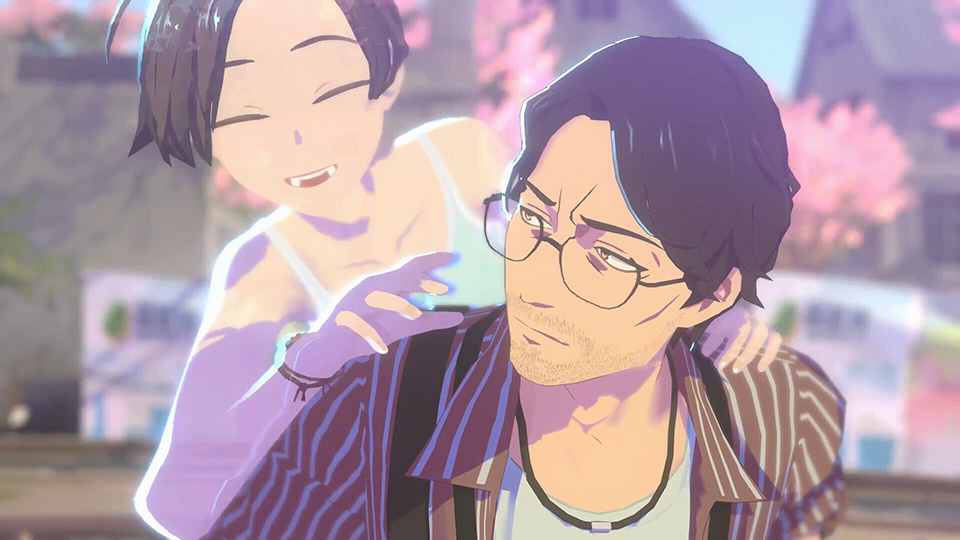
TL;DR, SIGONO co-founder Brian Lee discusses OPUS: Prism Peak, a new entry that shifts the OPUS series into a magical fantasy focused on photography. He cites childhood memories and a Ghibli-like feel for quiet, living worlds as core influences.
A quiet mountain town, a camera, and a man trying to see clearly. In a new OPUS Prism Peak interview, SIGONO co-founder Brian Lee explains the series’ shift from sci-fi to a magical photography tale, and why that pivot matters for its themes of belonging and healing. Lee points to a Ghibli-like sense of worlds alive in their quietest moments, plus countryside memories, road movies, and classic photo books.
He also outlines how photography, music, and production choices work together to make Prism Peak feel intimate yet weighty.
What Brian Lee said about OPUS: Prism Peak
Speaking from SIGONO Taipei, Brian Lee framed Prism Peak as a magical photography entry that turns the anthology inward. In the OPUS Prism Peak interview, he called it an iyashikei story about healing through attention, not erasure. The lens becomes a mirror, asking players to really look at relationships and the hurt they carry.
He also laid out three studio goals for this project:
- Photographic Space: build tangible scenes that invite wandering and noticing.
- Emotional Resonance: full voice acting in multiple languages for raw performances.
- Studio Growth: a more cinematic pipeline to empower future projects.
Lee added that music was tuned to the story’s arc, balancing minimal ambience with melodic motifs tied to the protagonist’s life. com/katsuhiro-harada-vs-studio-snk/”>Katsuhiro Harada Vs Studio Snk. com/atsushi-abe-farming-life-season-2-interview/”>Atsushi Abe Farming Life Season 2 Interview.
This Brian Lee SIGONO interview keeps the focus on why mechanics must serve emotion, especially the act of seeing.
How OPUS: Prism Peak changes the OPUS series
Earlier OPUS titles gazed outward at space and distant destinations. Prism Peak trades that scale for a magical valley, everyday textures, and a camera. The OPUS Prism Peak game makes the small feel vast, shifting the OPUS series shift toward intimacy by centering quiet observation instead of interstellar travel.
Photography gameplay matches the story’s emotional action of seeing. Lee describes a cycle players inhabit: noticing with heart, realizing the lens can be a shield, feeling the fatigue of looking too closely, then finding meaning in honest attention. It is a grounded loop that supports memory, regret, and resolve.
To support that focus, SIGONO moved to full 3D scenes, cinematic cuts, and multilingual voice work, so wandering and discovery feel physical. For a very different “Prism” on screens, the King Of Prism Sharknado Double Feature shows how naming spans mediums, but Prism Peak’s concern is simpler: look, listen, and learn from the ordinary.
Why OPUS: Prism Peak feels like Studio Ghibli, according to Brian Lee
Lee does not chase imitation. He aims for a feeling: a world that breathes in silence. Wind through trees, steam curling off food, the weight of old houses, and small human gestures carry emotion.
That is why the game reads as OPUS Prism Peak Studio Ghibli to many, anchored by artistic inspiration over surface likeness.
He cites childhood memories of Japanese and Taiwanese countryside, road movies, classic photography collections, and folklore. The result is quiet world building that is gentle, yet never weightless, with nostalgia for places that exist half in memory and half in myth. That respect for animation history also echoes the collector spirit behind the Art Of Anime Vol 8 Heritage Dragon Ball Auction.
Art direction keeps the series’ longing, now closer to home. Colors invite you in, while a soft melancholy lingers. The score follows suit, blending minimalist spaces with melodies shaped by TV drama cues, game music, and acoustic guitar, even folding a camera shutter into the finale’s rhythm to emphasize the act of looking.
Related: Atsushi Abe Farming Life Season 2 Interview.
Related: Katsuhiro Harada Vs Studio Snk.
Source: Crunchyroll